「芸術の
君待つと
吾が恋ひをれば
我が屋戸の
すだれ動かし
秋の風吹く
As I wait for you
in anticipation
the blinds
of my window flutter
but it’s only the autumn breeze
日本の文化において、四季はすべてに特別な意味があります。秋は特に、額田王の詩のようなロマンティックでメランコリックな感情を呼び起こす季節です。日本の秋は、確かに切ない魅力に満ちており、空気に漂う金木犀の甘い香りや、落ち葉の鮮やかな色彩が織りなす美しい光景などは、見る者をいつも感動させてくれます。
All four seasons hold a special significance in Japanese culture, but it is autumn that particularly stirs romantic and melancholic emotions in Princess Nukata’s poetry. Japanese autumn is indeed imbued with a wistful charm, characterized by the sweet scent of osmanthus in the air and the vibrant colors of falling leaves, creating a breathtaking spectacle that never fails to inspire.
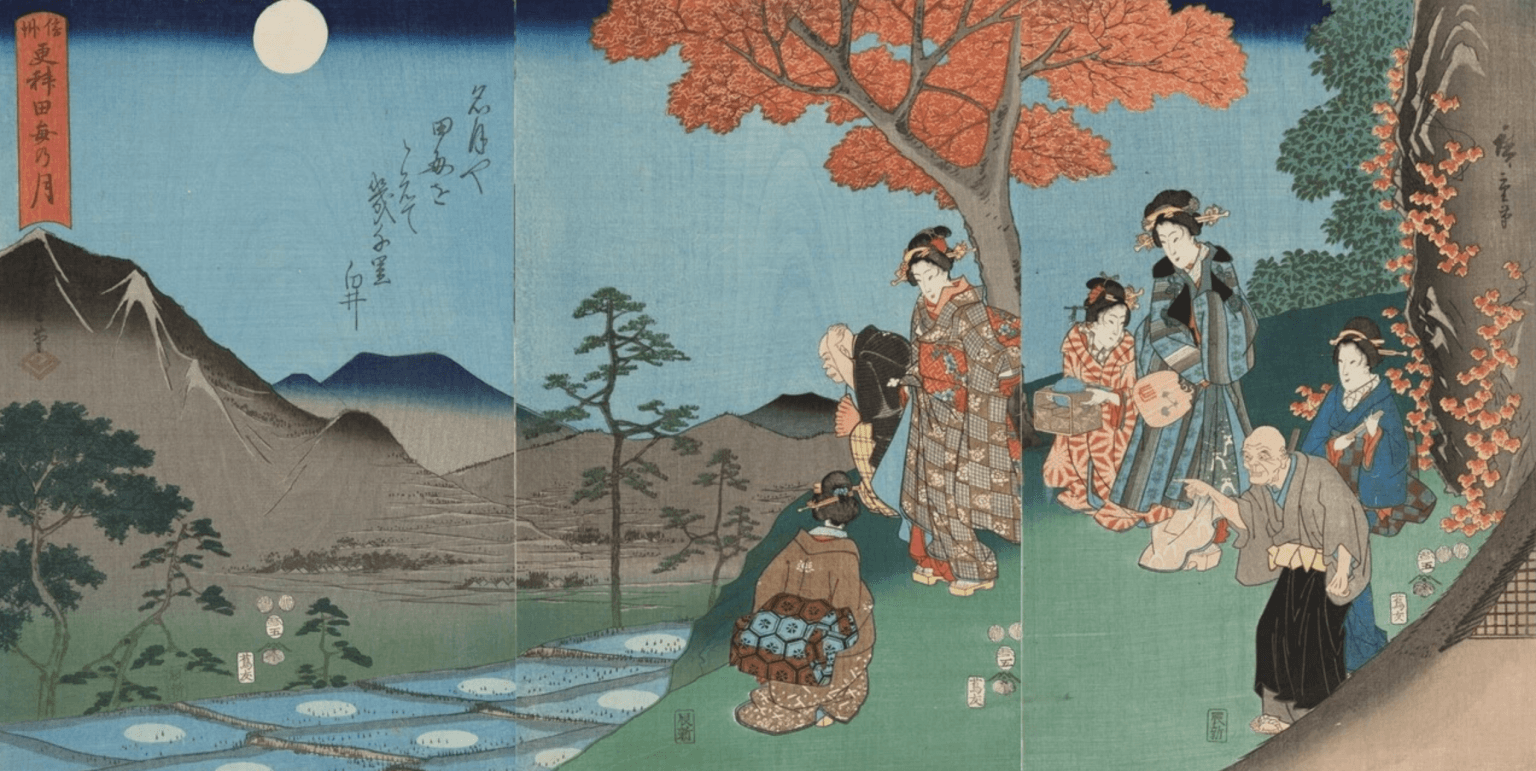
“Shinshu Sarashina, Moon Over Rice Fields”, Utagawa Hiroshige, 1857, Woodblock print, The Metropolitan Museum of Art (New York)
毎年、多くの人々が紅葉狩りに出かけ、素晴らしい風景を観覧し、秋の季節に自然が見せる美しい色合いを楽しみます。紅葉狩りは、秋の葉の美しさと芸術的な感性が融合した日本の伝統的な文化で、古代から現代に至るまで人々を魅了し続けています。この伝統は、759年頃に成立した最古の日本の詩集である『万葉集』に見ることができるように、古くから歴史に根ざしています。紅葉狩りは、奈良時代や平安時代に起源があり、宮廷で最も優雅な遊びのひとつと見なされていました。貴族たちは、秋の紅葉を楽しみながら詩を詠み、宴を開くために山へ出かけました。
Every year, hundreds of people embark on autumn foliage hunts, eager to capture amazing landscapes and admire the stunning hues that nature presents during this season. Momijigari (maple leaf hunting) is a Japanese tradition that intertwines the beauty of autumn leaves with an artistic sensibility, captivating people from ancient times to the present. This phenomenon is rooted in history, as evidenced by the Manyōshū (Collection of Ten Thousand Leaves), the oldest existing anthology of Japanese poetry dating back to around 759 AD. It seems that Momijigari originated during the Nara and Heian periods, where it was regarded as one of the most elegant pastimes at court. Nobles would travel to the mountains specifically to compose poetry and feast while admiring the autumn foliage.
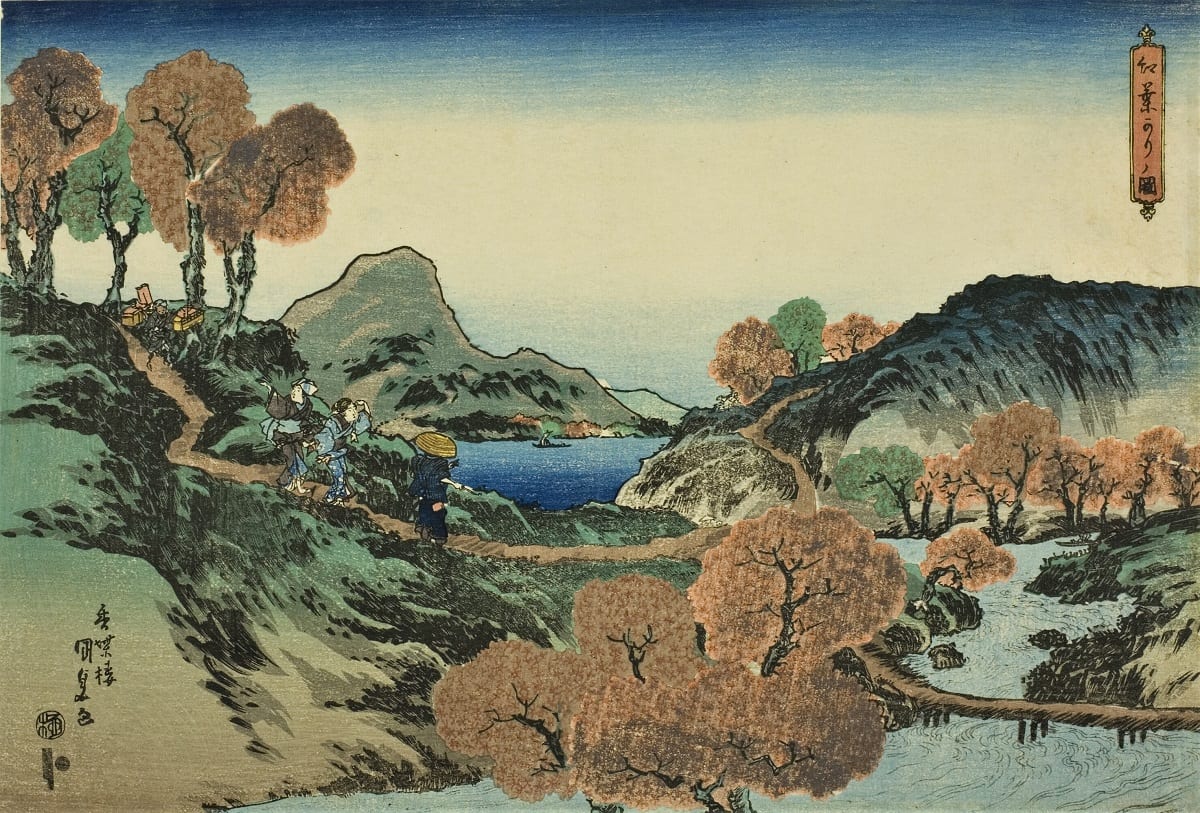
“Maple-leaf Viewing” (Momijigari no zu), Utagawa Kunisada, 1850s, Woodblock print, Private Collection
何世紀にもわたり、日本における秋と芸術の結びつきは深まってきました。江戸時代には、広重、国貞、北斎などの浮世絵師たちが秋や紅葉狩りを題材にした作品を多く残しました。それ以来、「芸術の秋」や「美術の秋」という表現が登場し、秋が芸術を楽しむ最良の季節であることが示されるようになりました。これらの言葉は1918年に雑誌『新潮』で初めて使われ、現在でも広く使われています。
Over the centuries, the connection between the arts and the fall season in Japan has deepened significantly. During the Edo period, many Ukiyo-e masters, from Hiroshige to Kunisada and Hokusai, chose autumn and Momijigari as subjects for their works. Since then, common expressions such as ‘geijutsu no aki’ and ‘bijutsu no aki’ (autumn for the arts) have emerged to indicate that autumn is the best season to enjoy art. These terms were first used in 1918 by the magazine Shincho (New Tide) and remain in common use today.
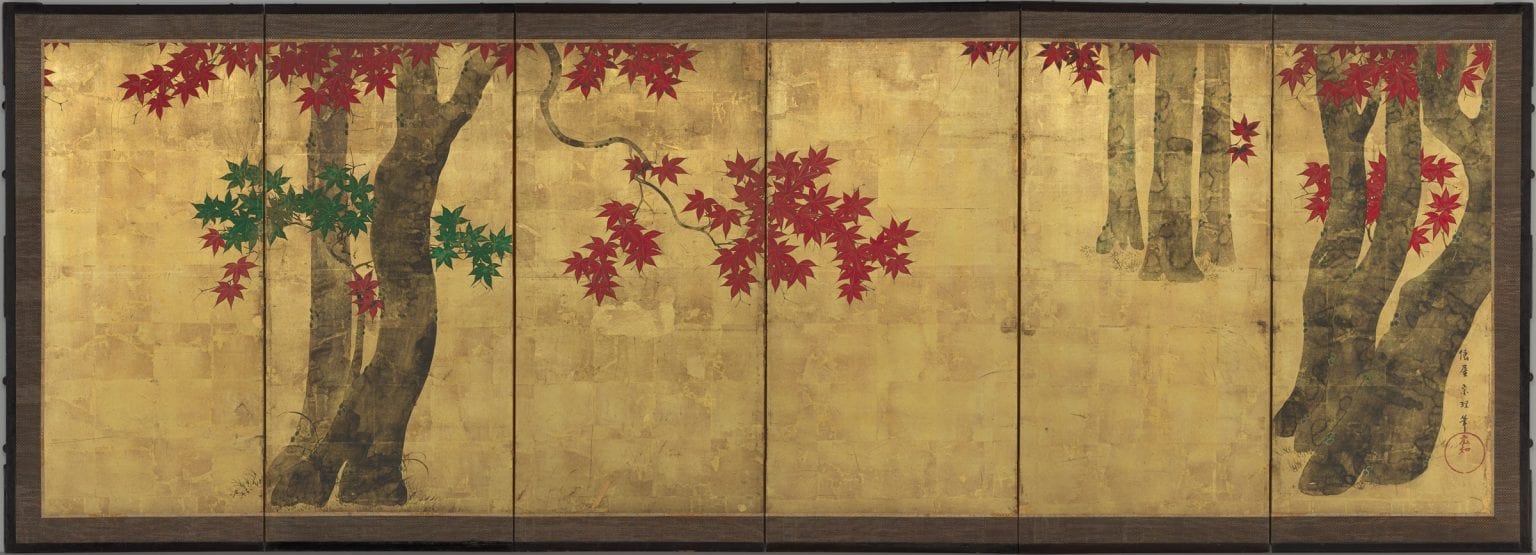
“Autumn Maple Trees”, Tawaraya Sōri, 18th century, Hanging scroll, Harvard Art Museums (Cambridge)
秋はまた、世界中のアーティストにインスピレーションを与えてきました。紅葉狩りのような日本特有の文化が秋の本質を捉えている一方で、秋を象徴するものは多くの文化で見られます。秋はぶどう、栗、きのこ、かぼちゃなどを連想させ、静物画のモチーフとしても最適です。ルネサンス時代には、これらの秋のモチーフを用いて、深い明暗と精緻な写実的な絵が描かれました。代表的な作品には、ジュゼッペ・アルチンボルドのユニークな『秋』や、カラヴァッジオの力強い『バッカス』があります。
Autumn has also inspired artists across the world. While uniquely Japanese elements like Momijigari capture the essence of this season, many symbols are found across cultures. Autumn brings to mind grapes, chestnuts, mushrooms, and pumpkins, making it the quintessential season for still life. During the Renaissance, numerous works highlighted these autumnal themes with deep chiaroscuro and detailed realism. Notable examples include Giuseppe Arcimboldo’s whimsical ‘Autumn’ and Caravaggio’s intense ‘Bacchus’.
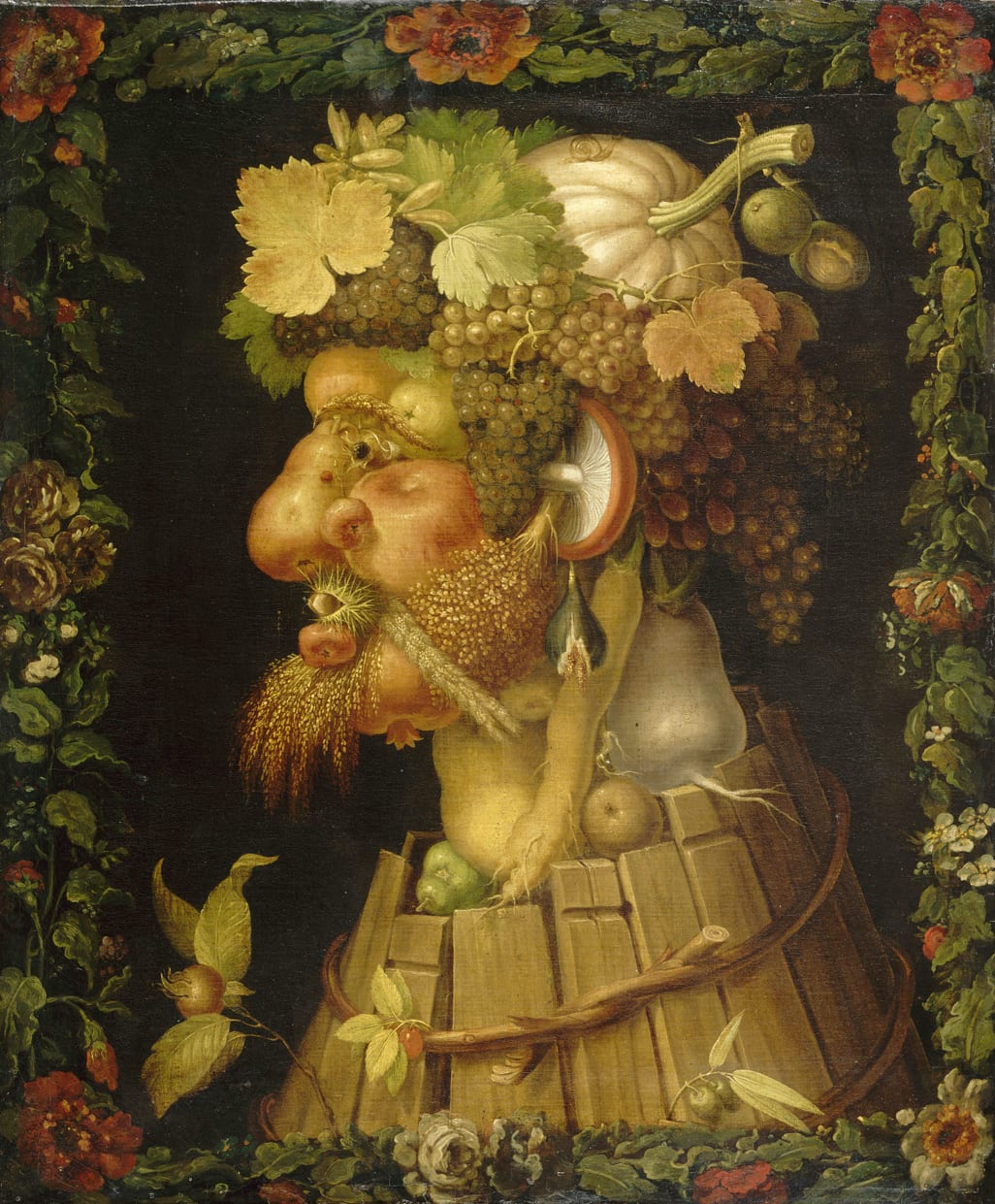
“Autumn”, Giuseppe Arcimboldo, 1573, Oil on canvas, Kunsthistorisches Museum (Vienna)
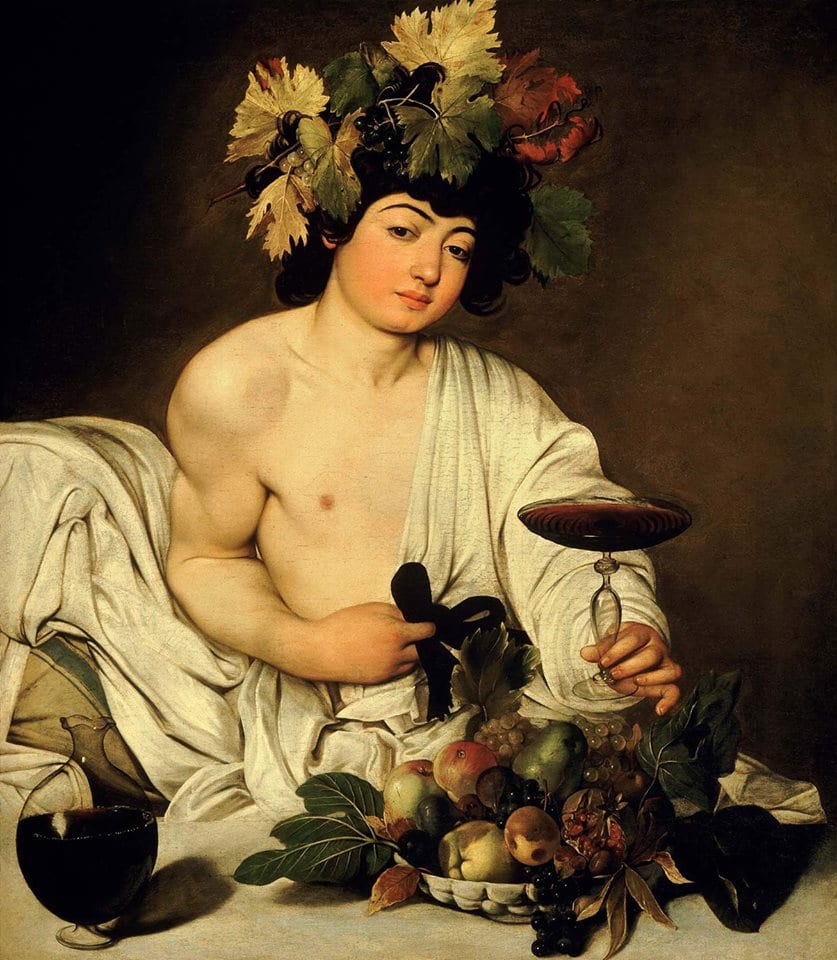
“Bacchus”, Michelangelo Buonarroti, 1496-1497, Marble, Galleria Borghese (Rome)
秋の魅力的な点は、鮮やかな色彩とメランコリックな雰囲気の対比です。カンディンスキーの『秋の川』のような作品は、明るい色彩と力強い筆致で活気に満ちた気分を表現しています。一方、エゴン・シーレの『秋の太陽』のような作品は、寒い冬に備えるメランコリックで疲れた秋を賛美しています。
An intriguing aspect of autumn lies in its contrast of vibrant colors and melancholic atmosphere. Some works, like Kandinsky’s ‘Autumn River’, embody lively moods with bright colors and bold brushstrokes. Conversely, pieces like Egon Schiele’s ‘Autumn sun‘ pay homage to a deeply melancholic and weary autumn, preparing for the cold of winter.
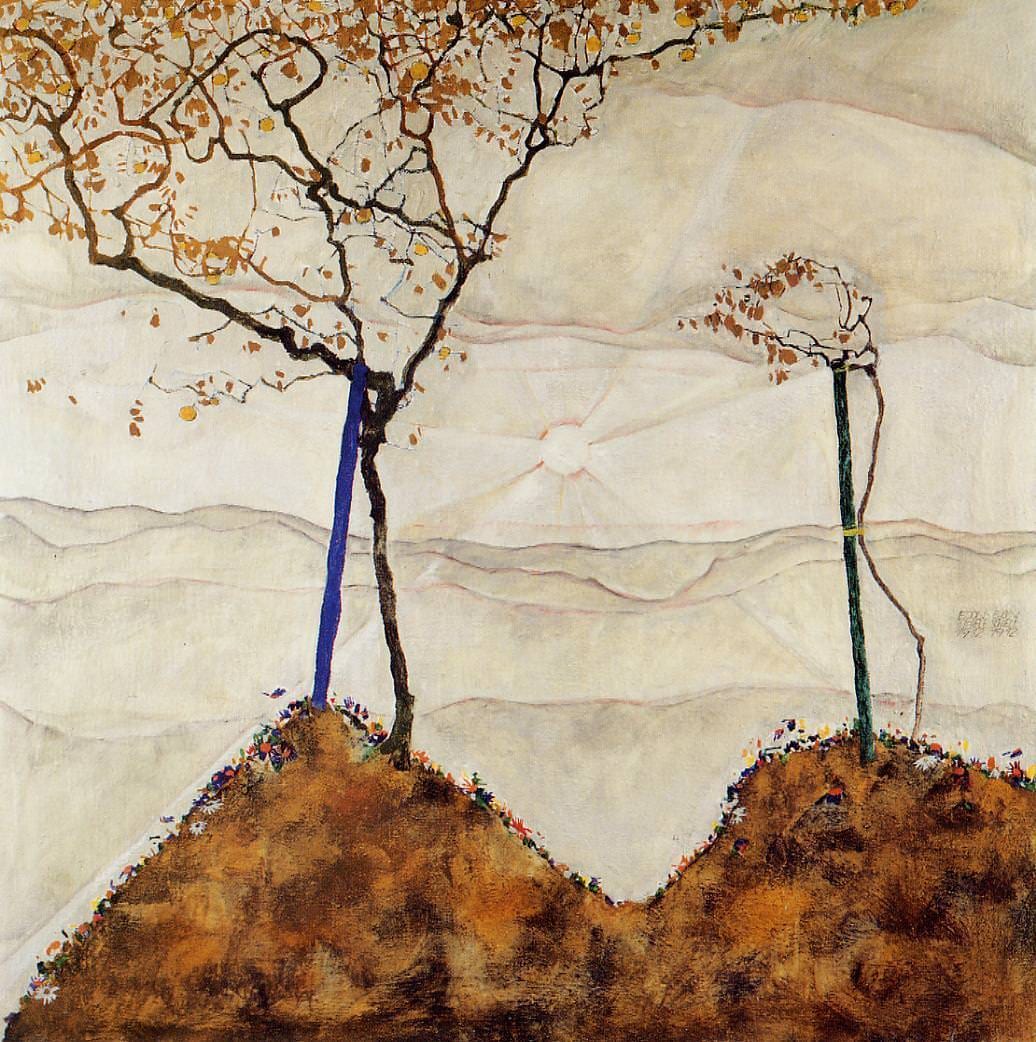
“Autumn Sun and Trees”, Egon Schiele, 1914, Oil on canvas, Private Collection
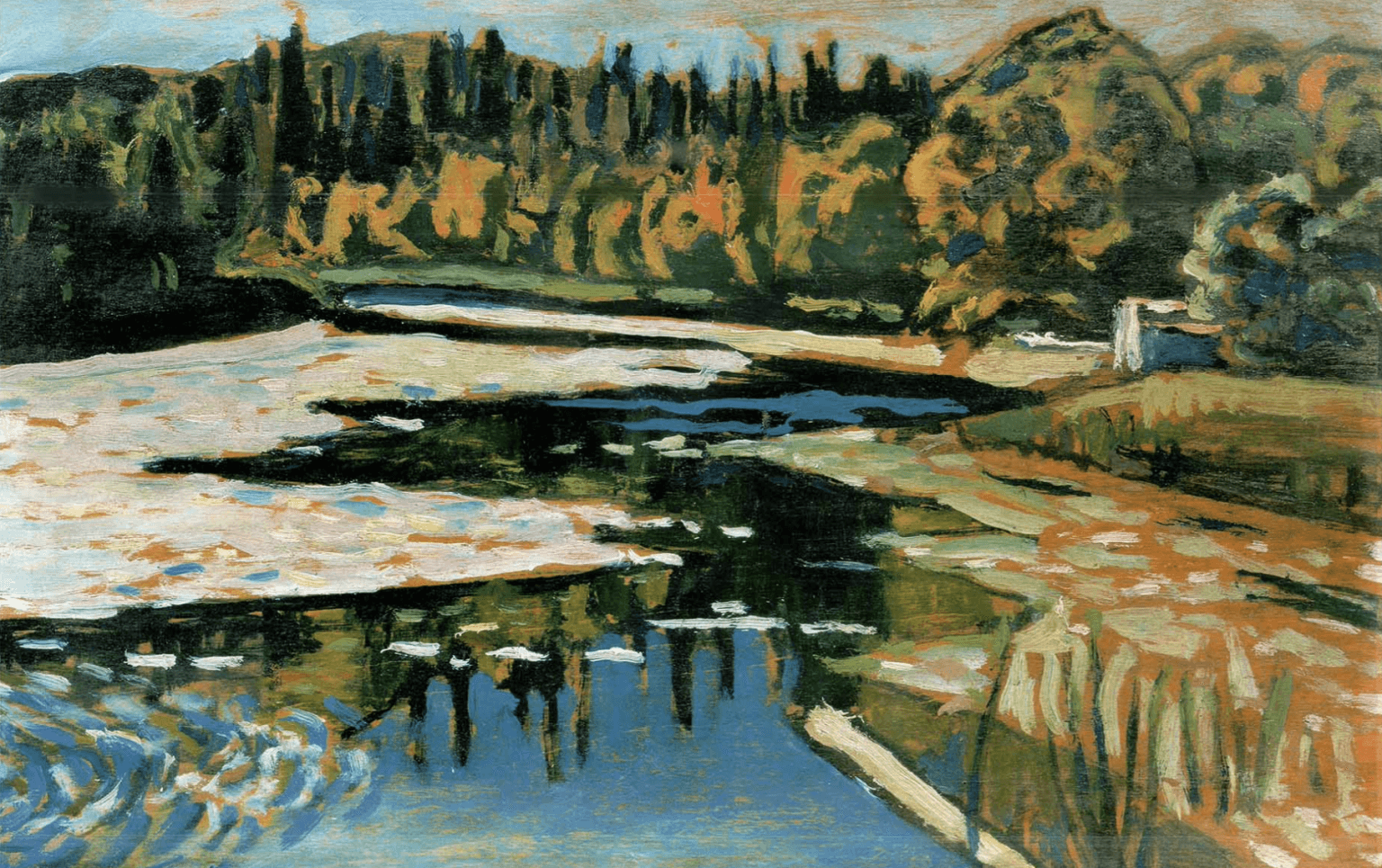
“Autumn River”, Wassily Kandinsky, 1911, Oil on canvas, The State Tretyakov Gallery (Moscow)
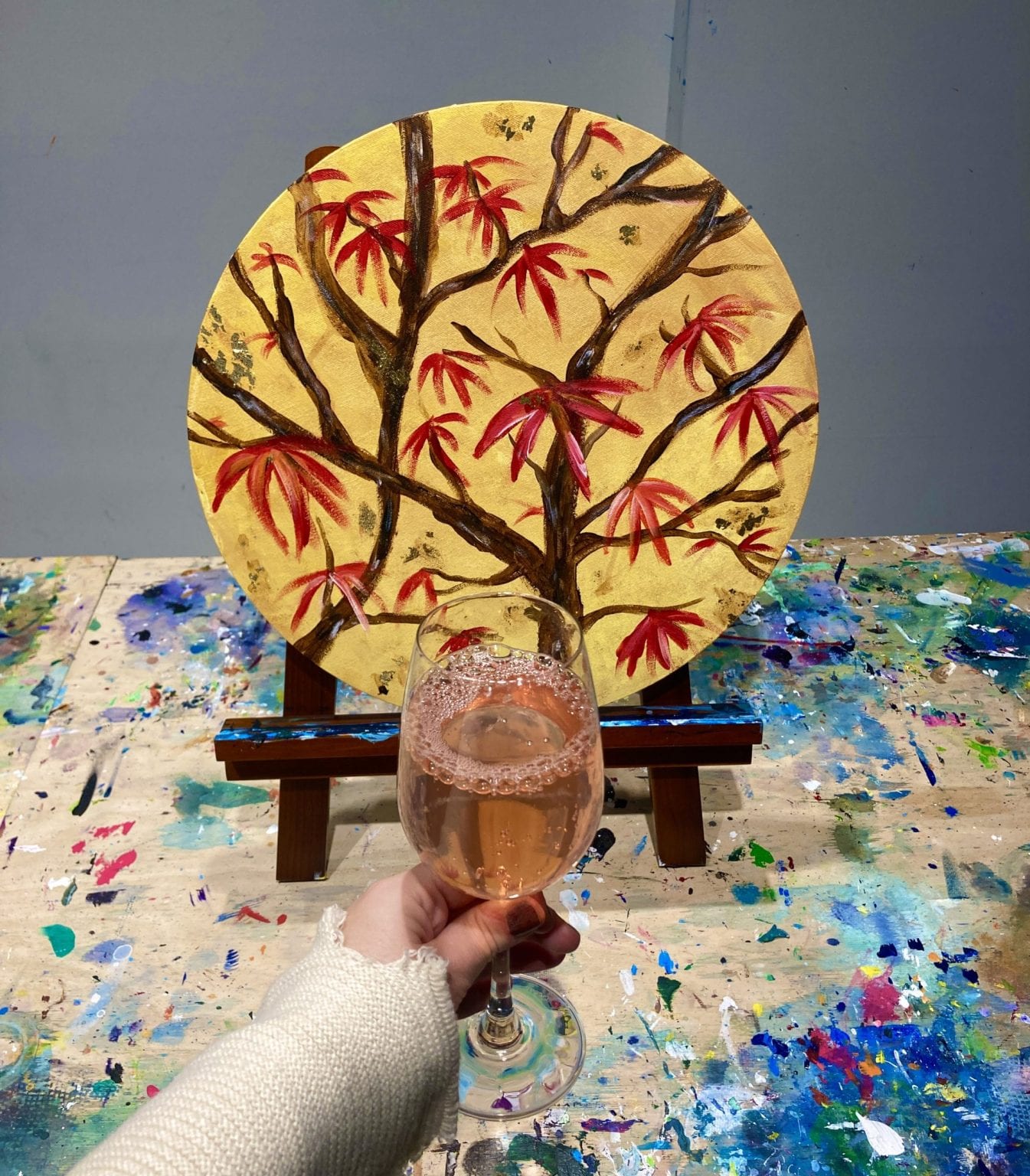
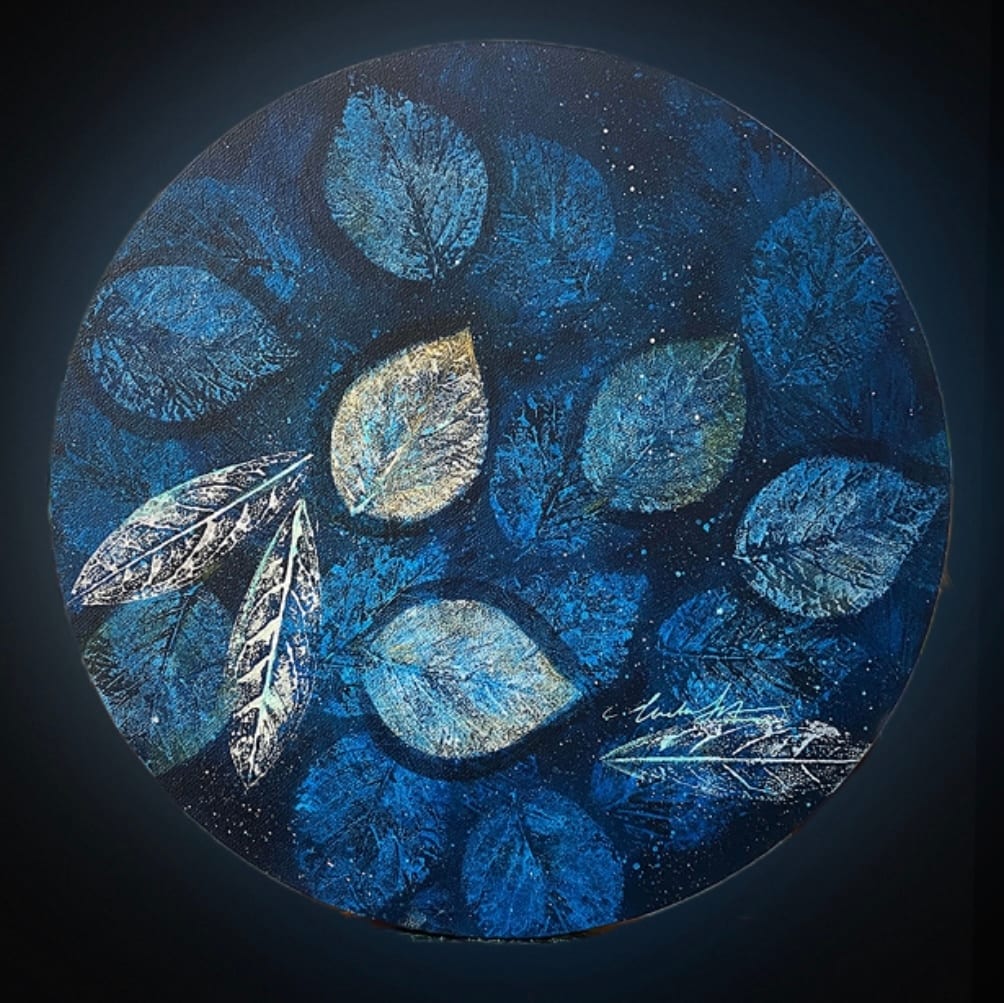
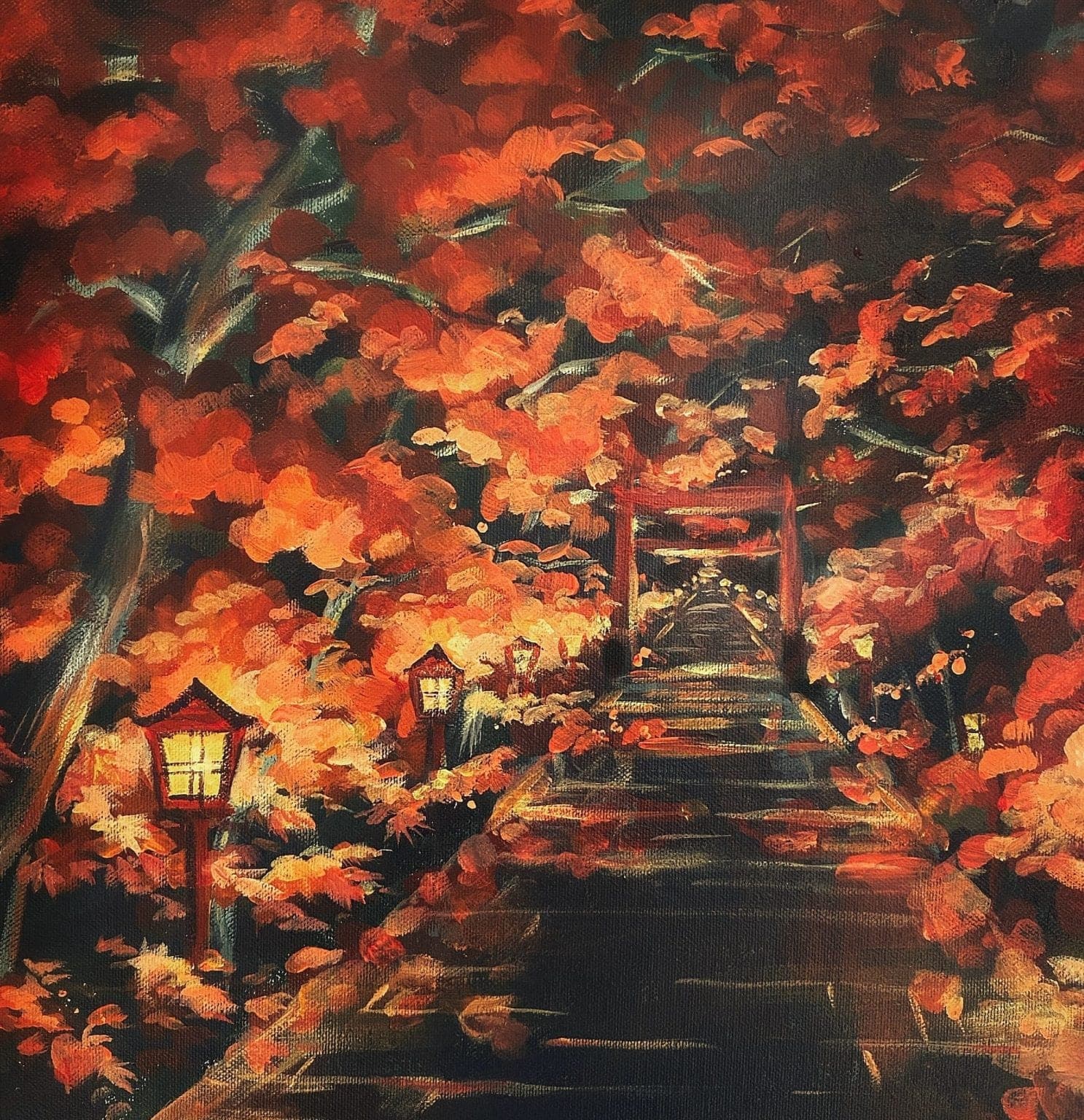
もしこの記事があなたの詩的な感覚を刺激し、あなたの秋を芸術で表現したい気持ちになったなら、ぜひArtbar Tokyoで、紅葉の美しさをキャンバスに描きに来てください! 金箔を施した魅惑的な葉から、鮮やかな秋の風景まで、お好みのデザインを選んで、この美しい季節を一緒に迎えましょう。お待ちしています!
If this article has sparked your poetic spirit and you feel inspired to celebrate autumn through your artistic flair, join us at Artbar Tokyo to capture the beauty of maple leaves directly onto your canvas! Pick your favorite design, from enchanting leaves with golden foil to vibrant autumn landscapes, and join us in welcoming this beautiful season. We look forward to seeing you!